
For travelers seeking depth and history, the islands of Lake Victoria hold stories that span centuries. The journey of the Suba people to Mfangano and Rusinga islands is a foundational epic of western Kenya, a tale of migration, resilience, and cultural integration that continues to shape the region today.
Ancient Origins and a Royal Exodus
The people now known as the Suba are descendants of the Bantu migration from Central Africa over the last 1500 to 1800 years. A significant chapter began in the 16th century when small family groups, related to the Ganda people, migrated across Lake Victoria by boat, settling on Rusinga Island and other nearby islands.
Their exodus from the Buganda Kingdom is a story of royal intrigue. The tale begins when the king stole his brother’s wife. Upon discovering his new wife was pregnant with his brother’s child, the king ordered her killed. In retaliation, the king’s brother hired a group of men, including Witewe and his brother Kiboy, to terrorize the king. In the ensuing conflict, the king was killed.
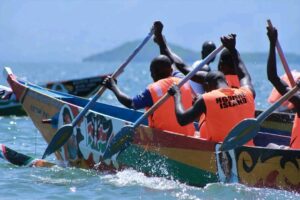
Forced into hiding, Witewe and Kiboy were alerted by the kingdom’s drummer, Mwembe, that their lives were in danger. They sought refuge with an old woman named Kenge, who gave them a boat called Mbaregay. They set out onto Lake Victoria to escape. The Ugandans soon discovered Mwembe and Kenge’s roles, forcing them to flee as well. After a long journey, Witewe and Kiboy decided to establish themselves on Mfangano Island, Kenya.
Settlement, Clans, and Integration
Initially settling near the shore, the brothers later moved inland due to dangers from slave traders and bandits. Witewe headed up the mountain, while Kiboy went to the other side of the island. This marked the beginning of the Suba people’s establishment in Kenya.
To this day, an ancestral forest shrine for Witewe exists at the top of Mfangano Island, alongside shrines for Kiboy and Nyamba, Witewe’s first wife.
The Suba people who settled on the islands formed smaller clans. One group, the Eluzinga or ‘Chula’ (people of the islands), includes the Waware, Awakiwanga (Kaswanga), Wanyama, and Waregi clans. Another group, the Awibuang’ano/Awaivuang’ano (Mfangano), includes the Wakula and Wasamo clans.
Other groups later poured into Mfangano due to pressure from the advancing Luos in Central Nyanza, particularly around Imbo Naya. These settlers included the Wayokia, Wakisasi/Awakisori, Wakiara/Wakiala, Kamreri, Kayanja, and Waondo (the latter found in Mirunda Gembe, Suba North).
Cultural Influence and the Challenge of Assimilation
As the Luo people—fishers and herders—spread throughout the region, they established a settlement barrier that separated the Suba from earlier Bantu settlers. The Luo, becoming numerous and dominant on the eastern shores of Lake Victoria, heavily influenced the Suba, leading to widespread cultural assimilation.
The segment of the Suba people who now speak Luo as a mother tongue are called Luo Abasuba (“Abasuba” is the Suba word for “the Suba people”). This reliance on the Luo for trade and survival led to intermarriage, with Luo customs generally being maintained. This assimilation was further cemented by European influence, which viewed the Suba as a sub-group of the Luo, causing their distinct culture to lose recognition.
Neighboring peoples often viewed the Suba language as inferior. With education introduced in English and Luo, about two-thirds of the Suba now speak Luo as their mother tongue, and culturally, they have become mostly Luo.
Recognition and Identity
The Suba were overlooked in both colonial and independent Kenya. The British government assumed they were part of the Luo people. A significant step toward recognition came in 1995 when Kenyan President Daniel arap Moi established Suba District, allowing for ethnic Suba representation in the national parliament. The fewer Suba in Tanzania, however, have been more eclipsed and still lack a distinct political identity.
Explore the Heart of Suba Culture with Afrivibe Rentals
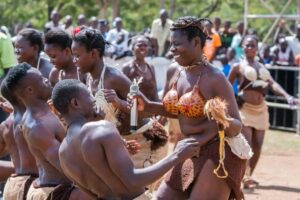
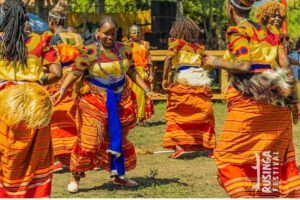
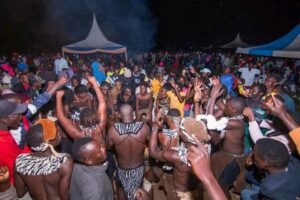
This rich history is not just a story in a book—it is etched into the landscapes of Mfangano and Rusinga Islands, from the sacred shrines of Witewe and Kiboy to the vibrant communities that preserve this heritage today. There is no better way to experience it than at the annual Rusinga Festival, a vibrant cultural celebration held every December.
Let Afrivibe Rentals be your trusted travel partner to these incredible destinations. We provide reliable and comfortable transport solutions across the Western Kenya circuit, ensuring your journey to the islands is as seamless as it is memorable.
We can take you to Rusinga and Mfangano Islands for the upcoming Rusinga Festival in December 2025!
Click to Chat on WhatsApp and Plan Your Trip
Call/SMS: 0710899460
Website: www.kisumuairportcabs.co.ke
Your journey into the heart of Suba culture starts with us.